Learn what every symbol on the card means.Full credits and sources at beakbrain.com/symbols
 ForestTiny · 15 g
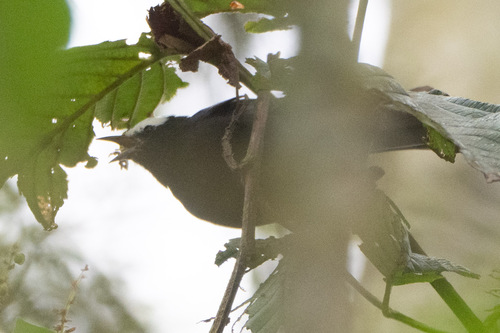
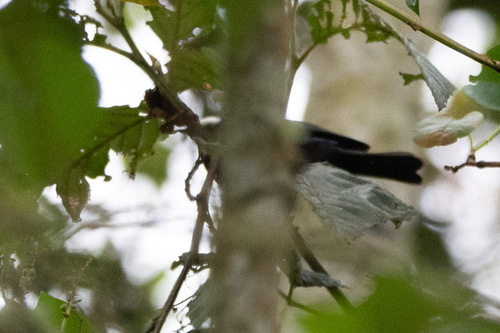
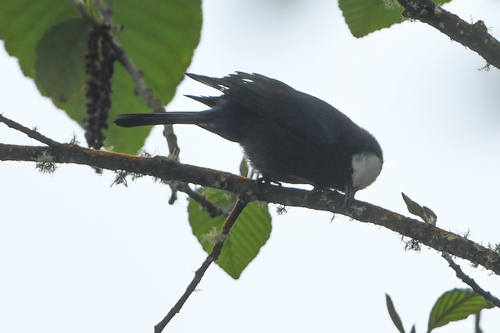
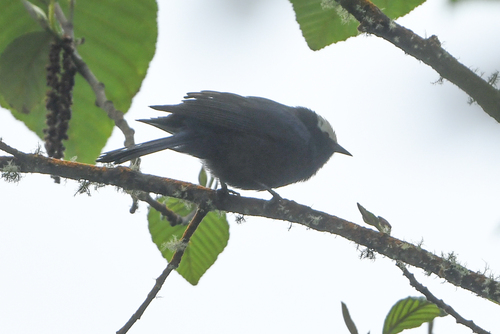
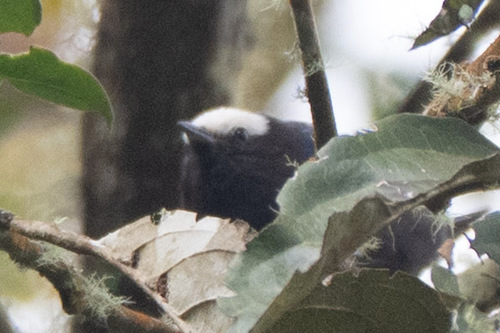
What the Capped Conebill sounds like


ID tip
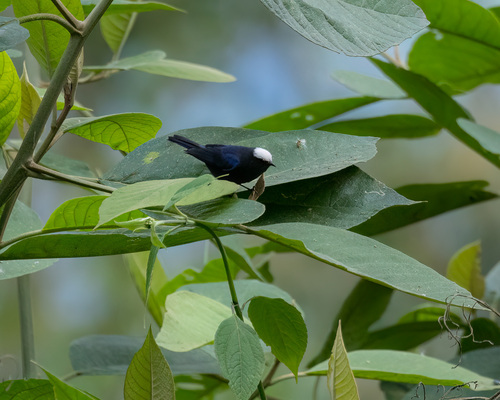
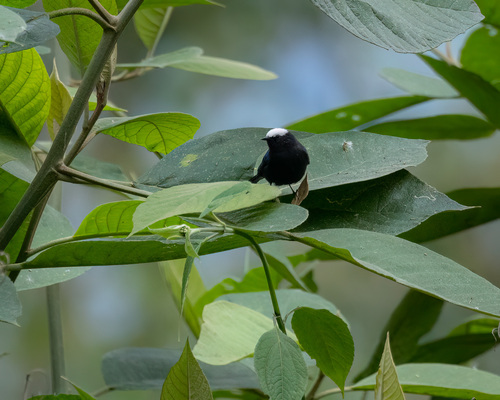
The capped conebill is 13-14 cm long and weighs 11.7-21.5 g. Males in the "albifrons" group sport a white crown, with a slaty-black face, breast, and neck; a liberty blue shoulder and tail; and a navy blue back. Males in the "atrocyaneum" group have a deep blue cap, back, wing, and tail; a glaucous shoulder; and a slaty breast, neck, and face. Females have a light blue crown, a blue-grey head, a dark yellow body, and an olive back and wings. Both sexes have a slightly-curved black bill and grey legs.
Text from Wikipedia, licensed CC BY-SA 4.0.
When to see the Capped Conebill
One bar for each month, and every month is filled: this bird is recorded here in all twelve. The wide bar is November, the month with the most records.
Where to see the Capped Conebill
The map shades 5 countries with regular records. Everything unshaded has no records. Countries are listed below the map.
About the Capped Conebill
The capped conebill is a species of bird in the family Thraupidae.
Text adapted from Wikipedia, licensed CC BY-SA 4.0.
Easily confused with
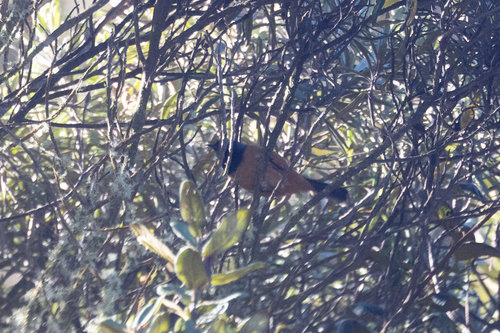 Blue-backed ConebillConirostrum sitticolorThe blue-backed conebill is a small bird, weighing 11-13g.
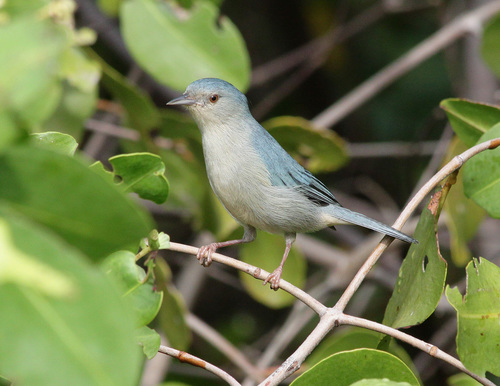 Bicolored ConebillConirostrum bicolorThe bicolored conebill is 11.4 cm long and weighs 11 g.
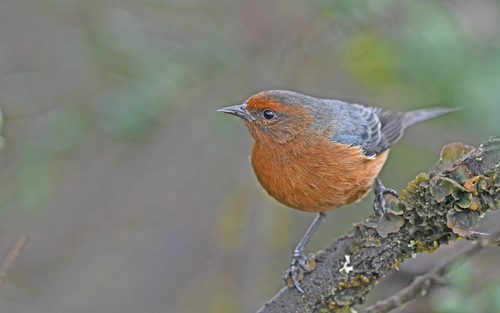 Rufous-browed ConebillConirostrum rufumThe rufous-browed conebill is a species of bird in the family Thraupidae.
Learn the Capped Conebill in the BeakBrain App
Photo and call practice. Coming soon to iPhone and Android.
Play today's Daily BirdEvery photo and recording on this page is credited to its author under the licence shown. Spotted a problem with this page, or have a better photo? Contribute.