Learn what every symbol on the card means.Full credits and sources at beakbrain.com/symbols
 WetlandCup nestSmall · 21 g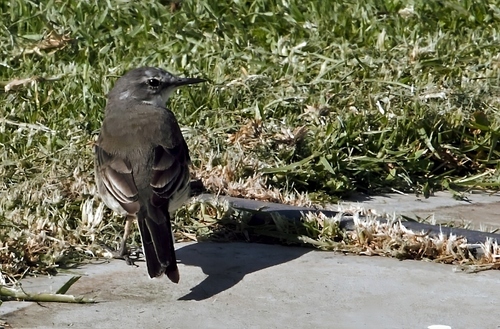
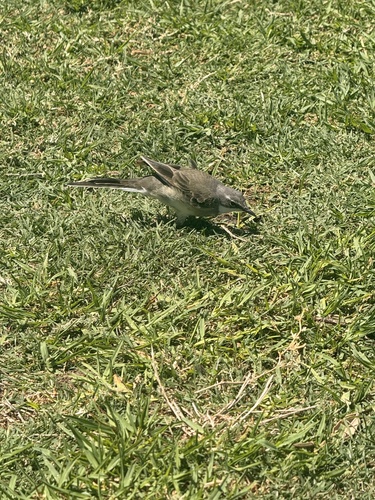
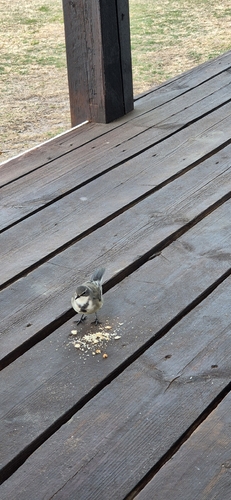
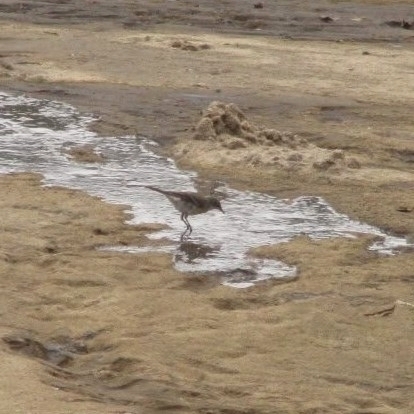


ID tip
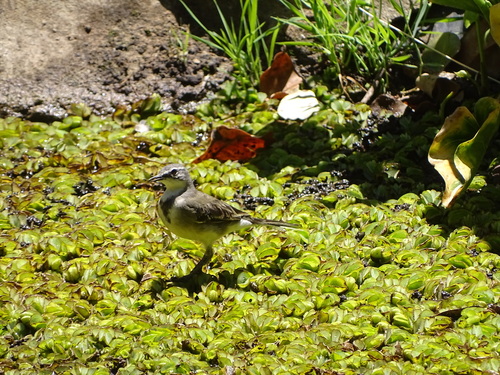
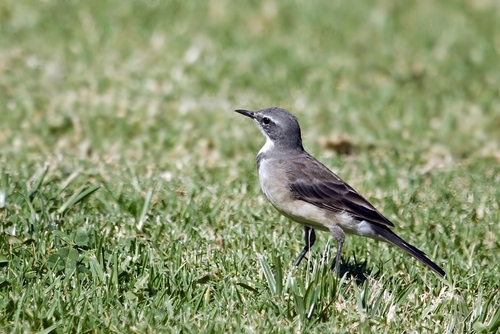
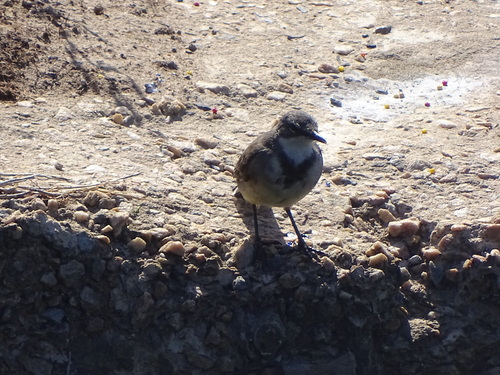
The Cape wagtail has a dull plumage and a relatively short tail, with olive grey breast and face, with a tan supercilium and dark lores. The underparts are creamy white and may show a faint pinkish wash on the lower breast and belly. The breast band is dusky and the sides of the breast and the flanks are olive-grey. The brownish black wings have pale edges to the feathers and the tail is blackish with the two outer tail feathers being white. The juveniles are similar to the adults but browner above and yellower below. There is no colour or plumage distinction between males and females.
Text from Wikipedia, licensed CC BY-SA 4.0.
When to see the Cape Wagtail
One bar for each month, and every month is filled: this bird is recorded here in all twelve. The wide bar is October, the month with the most records.
Where to see the Cape Wagtail
The map shades 15 countries with regular records, and 1 more in a lighter tone where the bird turns up only as a stray. Everything unshaded has no records. Countries are listed below the map.
Recorded as a rare visitor in Madagascar.
About the Cape Wagtail
The Cape wagtail, also known as Wells's wagtail, is a small insectivorous bird which is widespread in southern Africa. It frequents water's edge, lawns and gardens. It is a mostly resident, territorial species, but has been known to undertake limited altitudinal migration or form flocks outside of the breeding season. Like other wagtails they are passerine birds of the family Motacillidae, which also includes the pipits and longclaws.
Text adapted from Wikipedia, licensed CC BY-SA 4.0.
Easily confused with
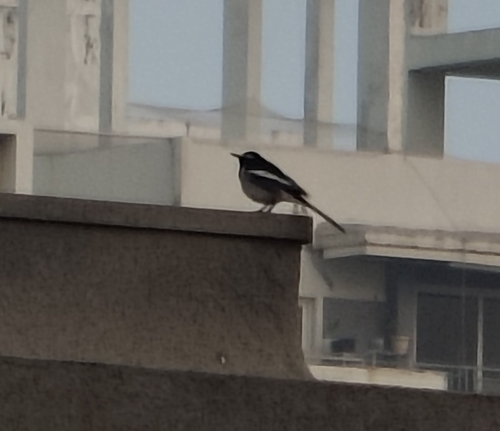 White-browed WagtailMotacilla maderaspatensisThe white-browed wagtail is the largest species of wagtail at 21 cm (8.3 in) length.
 Eastern Yellow WagtailMotacilla tschutschensisIt is a slender 15–16 cm long bird, with the characteristic long, constantly wagging tail of its genus.
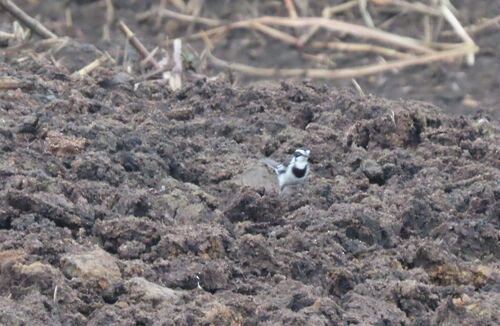 African Pied WagtailMotacilla aguimpA striking black and white wagtail with black upperparts contrasting with white underparts, it has a white supercilium and a white patch in the folded wing.
Side by side: Cape Wagtail vs White Wagtail · Cape Wagtail vs Grey Wagtail · Cape Wagtail vs White-browed Wagtail · Cape Wagtail vs Eastern Yellow Wagtail · African Pied Wagtail vs Cape Wagtail
Learn the Cape Wagtail in the BeakBrain App
Photo and call practice. Coming soon to iPhone and Android.
Play today's Daily BirdEvery photo and recording on this page is credited to its author under the licence shown. Spotted a problem with this page, or have a better photo? Contribute.