Learn what every symbol on the card means.Full credits and sources at beakbrain.com/symbols
 WetlandPlatform nestLarge · 1.2 kg


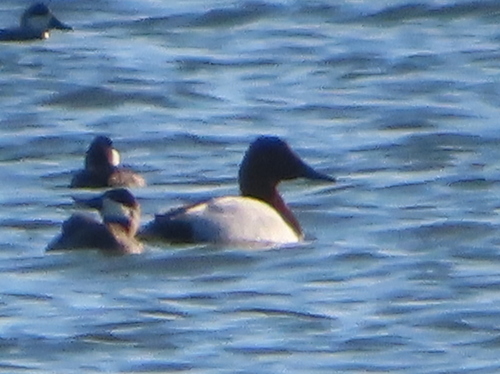
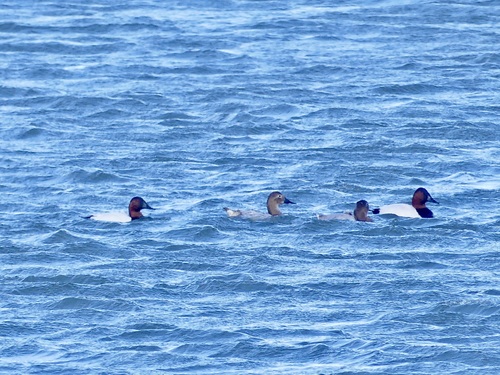
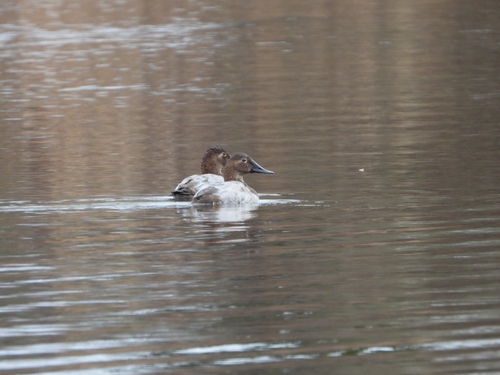
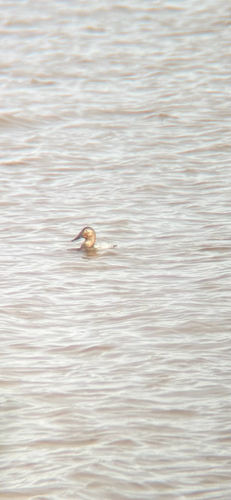
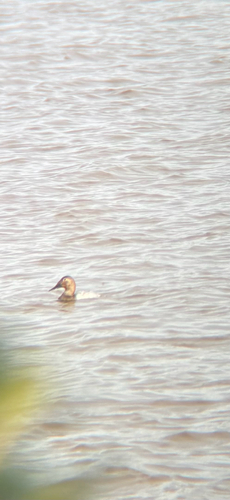
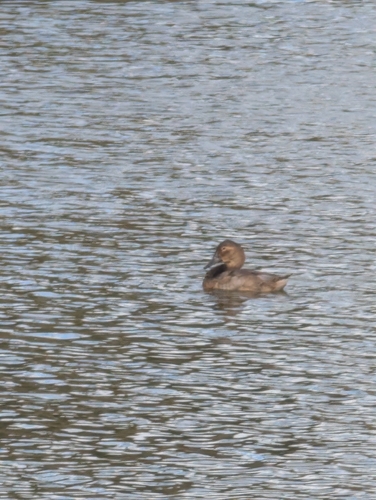
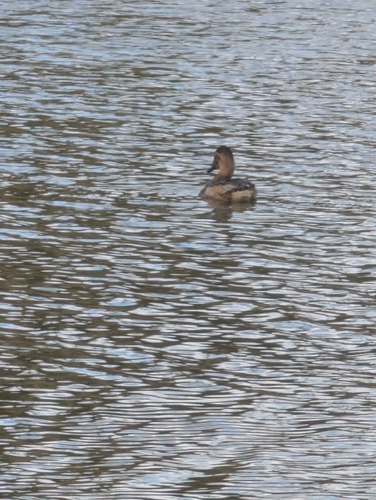
ID tip
It ranges from 48–56 cm (19–22 in) in length and weighs 862–1,588 g (1.900–3.501 lb), with a wingspan of 79–89 cm (31–35 in). It is the largest species in the genus Aythya, and the largest diving duck in North America. Canvasbacks are similar in size to a mallard but with a heavier and more compact build. 191 males wintering in western New York averaged 1,252 g (2.760 lb) and 54 females there averaged 1,154 g (2.544 lb). The canvasback has a distinctive wedge-shaped head and long graceful neck.
Text from Wikipedia, licensed CC BY-SA 4.0.
When to see the Canvasback
One bar for each month. Filled bars are the 8 months with records; pale bars are months with none. The wide bar is January, the month with the most records.
Where to see the Canvasback
The map shades 9 countries with regular records, and 6 more in a lighter tone where the bird turns up only as a stray. Everything unshaded has no records. Countries are listed below the map.
Recorded as a rare visitor in Netherlands, France, Costa Rica, Taiwan, Cuba, Belgium.
About the Canvasback
The canvasback is a species of diving duck, the largest found in North America.
Text adapted from Wikipedia, licensed CC BY-SA 4.0.
Easily confused with
 Common PochardAythya ferinaThe common pochard is a plump, medium-sized diving duck, measuring 42–49 cm (17–19 in) in length, with a wingspan of 72–82 cm (28–32 in).
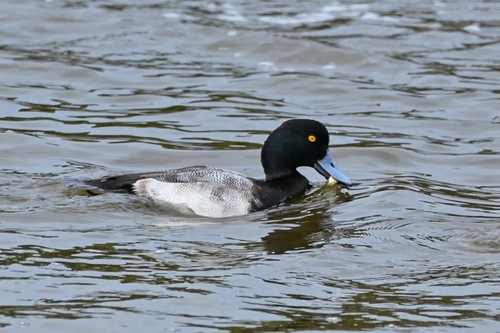 Greater ScaupAythya marilaThe adult greater scaup is 39–56 cm (15–22 in) long with a 71–84 cm (28–33 in) wingspan and a weight of 726–1,360 g (1.601–2.998 lb).
 RedheadAythya americanaThe redhead is a pochard, a diving duck specially adapted to foraging underwater.
Side by side: Canvasback vs Redhead · Canvasback vs Greater Scaup · Canvasback vs Common Pochard
Learn the Canvasback in the BeakBrain App
Photo and call practice. Coming soon to iPhone and Android.
Play today's Daily BirdEvery photo and recording on this page is credited to its author under the licence shown. Spotted a problem with this page, or have a better photo? Contribute.