Learn what every symbol on the card means.Full credits and sources at beakbrain.com/symbols
 ForestCup nestMedium · 98 g


ID tip
The black-headed jay is roughly the same size as its close relative the Eurasian jay, but a little more slender overall. The head is mostly black with white streaks on the throat and a more obvious crest compared to the Eurasian jay. The bill is pale and slightly shorter and thicker compared to its close relative. The tail is also longer. It has a very similar voice to the Eurasian jay, but with longer pauses between calls. The call is most often a harsh "kraaa", which can sound either raspy or more nasal.
Text from Wikipedia, licensed CC BY-SA 4.0.
When to see the Black-headed Jay
One bar for each month. Filled bars are the 9 months with records; pale bars are months with none. The wide bar is May, the month with the most records.
Where to see the Black-headed Jay
The map shades 3 countries with regular records. Everything unshaded has no records. Countries are listed below the map.
About the Black-headed Jay
The black-headed jay or lanceolated jay is a species of passerine bird in the crow family Corvidae. It is found in open wooded country across the Himalayas and into eastern Afghanistan. A relatively large songbird, it has a largely grey body with a black head, an untidy crest, white streaks on the throat, and a pale bill. It is roughly the same size as its close relative the Eurasian jay, but a little more slender overall.
Text adapted from Wikipedia, licensed CC BY-SA 4.0.
Easily confused with
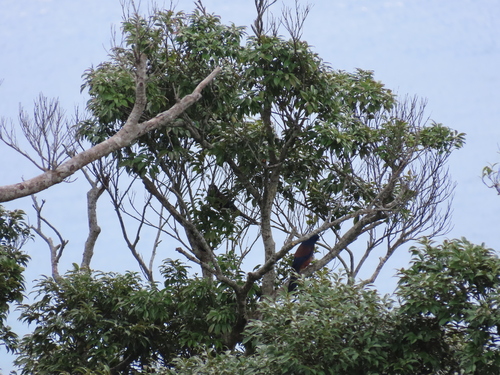 Lidth's JayGarrulus lidthiLidth's jay, also known as the Amami jay, is a passerine bird in the family Corvidae native to the Ryukyu Islands, Japan.
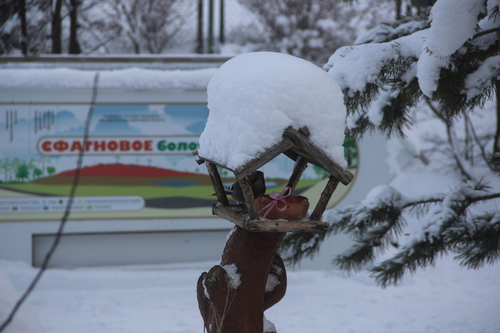 Eurasian JayGarrulus glandariusThe Eurasian jay is a relatively small corvid, similar in size to a western jackdaw (Coloeus monedula) with a length of 34–35 cm (13–14 in) and a wingspan of 52–58 cm (20–23 in).
Side by side: Black-headed Jay vs Eurasian Jay
Learn the Black-headed Jay in the BeakBrain App
Photo and call practice. Coming soon to iPhone and Android.
Play today's Daily BirdEvery photo and recording on this page is credited to its author under the licence shown. Spotted a problem with this page, or have a better photo? Contribute.