Learn what every symbol on the card means.Full credits and sources at beakbrain.com/symbols
 Forest20 g
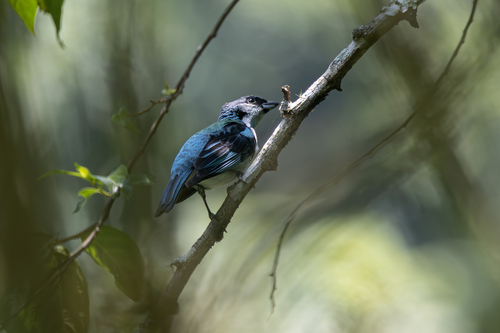
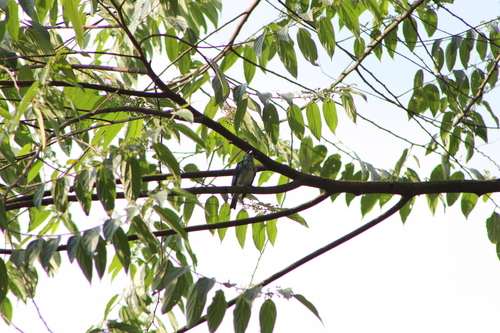
ID tip
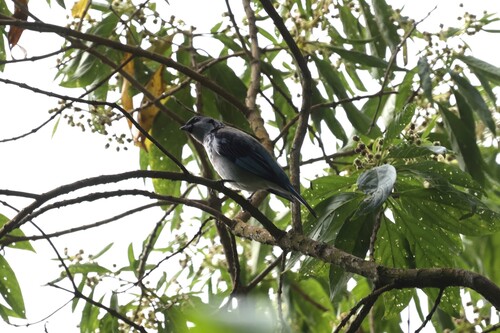
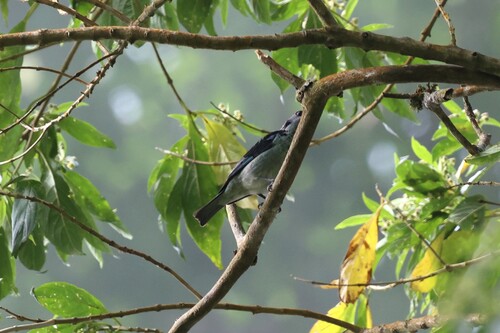
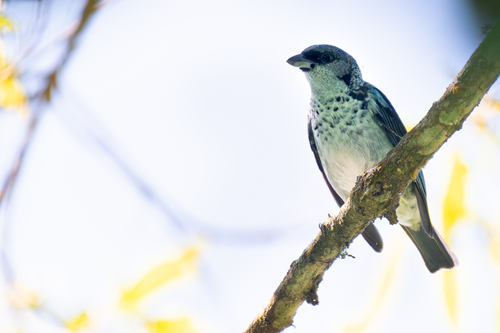
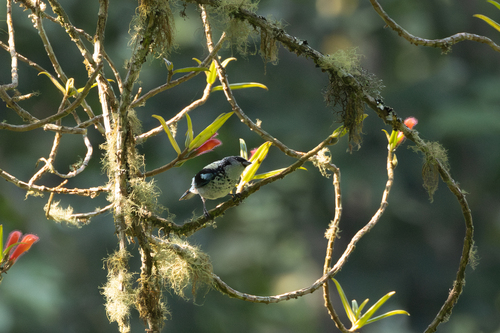
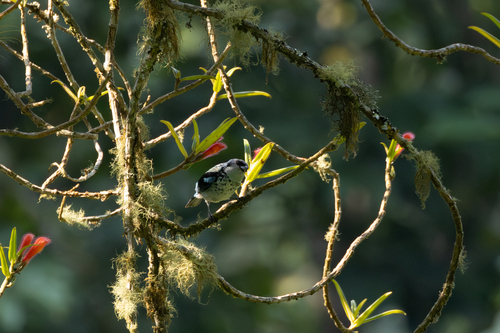
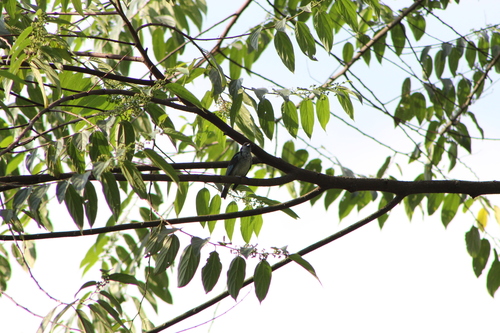
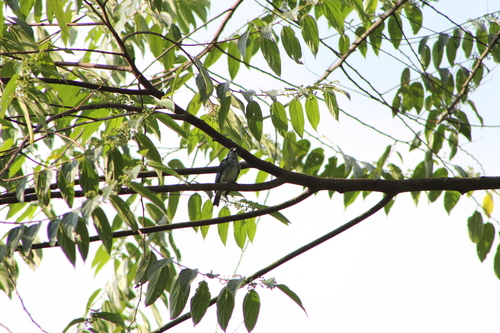
Its plumage is mostly pale blue, with a purplish-blue crown, dark lores and lower auriculars, and distinctive dark spots across the chest. The mantle is mottled greenish-blue and black. The wings and tail are black with blue edgings. The bill is gray with a dark tip. Cabanis's tanagers utter several sibilant vocalizations, hard trills and twitters. The azure-rumped tanager is omnivorous, feeding on fruit and arthropods. In Guatemala, abundance was positively correlated with the density of Ficus aurea trees. Figs of that tree are a main food source.
Text from Wikipedia, licensed CC BY-SA 4.0.
When to see the Azure-rumped Tanager
One bar for each month, and every month is filled: this bird is recorded here in all twelve. The wide bar is March, the month with the most records.
Where to see the Azure-rumped Tanager
The map shades 2 countries with regular records. Everything unshaded has no records. Countries are listed below the map.
About the Azure-rumped Tanager
The azure-rumped tanager or Cabanis's tanager is a species of bird in the family Thraupidae. It is a local resident in humid broadleaf forests and adjacent plantations of the Pacific slope of western Guatemala and southern Chiapas, Mexico. It has been reported at elevations of 850–1,900 m (2,790–6,230 ft).
Text adapted from Wikipedia, licensed CC BY-SA 4.0.
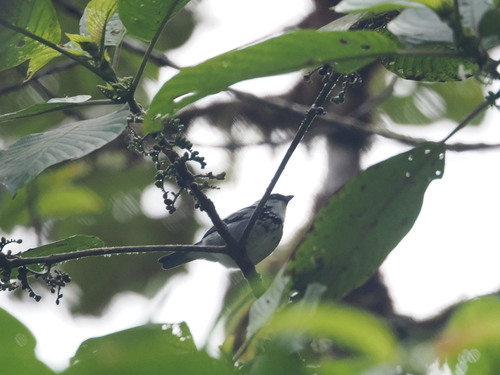
Easily confused with
Learn the Azure-rumped Tanager in the BeakBrain App
Photo and call practice. Coming soon to iPhone and Android.
Play today's Daily BirdEvery photo and recording on this page is credited to its author under the licence shown. Spotted a problem with this page, or have a better photo? Contribute.