Learn what every symbol on the card means.Full credits and sources at beakbrain.com/symbols
 GrasslandDomed nestTiny · 8 g

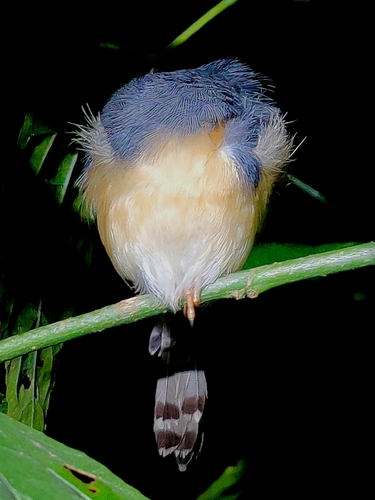
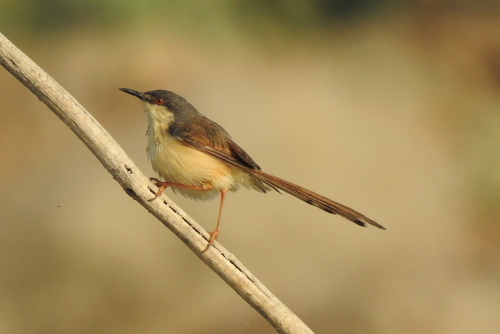
What the Ashy Prinia sounds like


ID tip
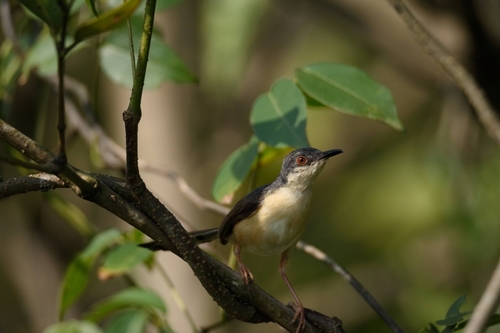
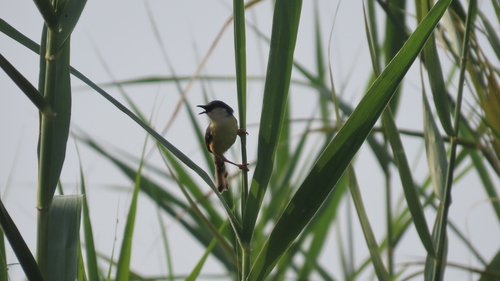
These 13–14 cm long warblers have short rounded wings and a longish graduated cream tail tipped with black subterminal spots. The tail is usually held upright and the strong legs are used for clambering about and hopping on the ground. They have a short black bill. The crown is grey and the underparts are rufous in most plumages. In breeding plumage, adults of the northern population are ash grey above, with a black crown and cheek with no supercilium and coppery brown wings. In non-breeding season, this population has a short and narrow white supercilium and the tail is longer.
Text from Wikipedia, licensed CC BY-SA 4.0.
When to see the Ashy Prinia
One bar for each month, and every month is filled: this bird is recorded here in all twelve. The wide bar is February, the month with the most records.
Where to see the Ashy Prinia
The map shades 5 countries with regular records. Everything unshaded has no records. Countries are listed below the map.
About the Ashy Prinia
The ashy prinia or ashy wren-warbler is a small warbler in the family Cisticolidae. This prinia is a resident breeder in the Indian subcontinent, ranging across most of India, Nepal, Bangladesh, eastern Pakistan, Bhutan, Sri Lanka and western Myanmar. It is a common bird in urban gardens and farmlands in many parts of India and its small size, distinctive colours and upright tail make it easy to identify. The northern populations have a rufous rump and back and have a distinct breeding and non-breeding plumage while other populations lack such variation.
Text adapted from Wikipedia, licensed CC BY-SA 4.0.
Easily confused with
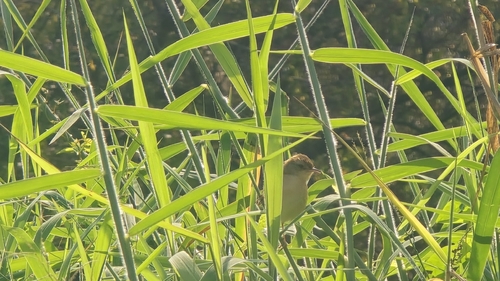 Plain PriniaPrinia inornataThese 13–14-cm long warblers have short rounded wings, a longish tail, strong legs and a short black bill.
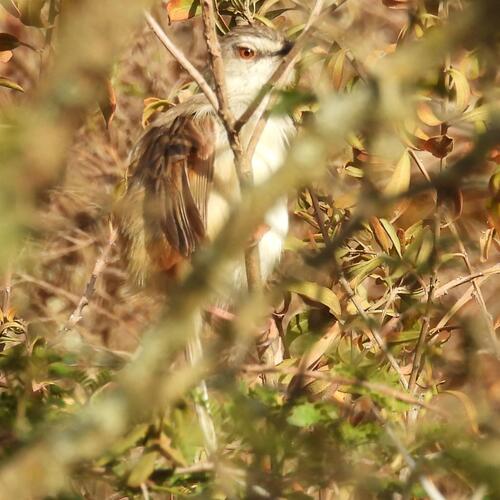 Tawny-flanked PriniaPrinia subflavaThe tawny-flanked prinia is 11–12 cm (4.3–4.7 in) in length with a long, narrow, graduated tail and a fairly long, slender bill.
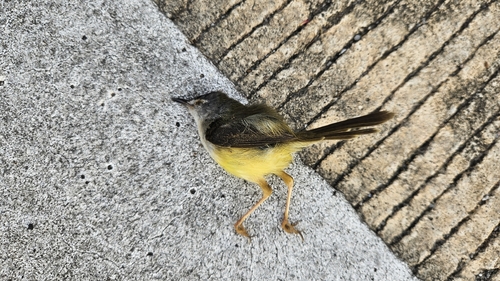 Yellow-bellied PriniaPrinia flaviventrisThe yellow-bellied prinia is a species of bird in the family Cisticolidae.
Side by side: Ashy Prinia vs Plain Prinia · Ashy Prinia vs Tawny-flanked Prinia
Learn the Ashy Prinia in the BeakBrain App
Photo and call practice. Coming soon to iPhone and Android.
Play today's Daily BirdEvery photo and recording on this page is credited to its author under the licence shown. Spotted a problem with this page, or have a better photo? Contribute.