Learn what every symbol on the card means.Full credits and sources at beakbrain.com/symbols
 WetlandPlatform nestLarge · 867 g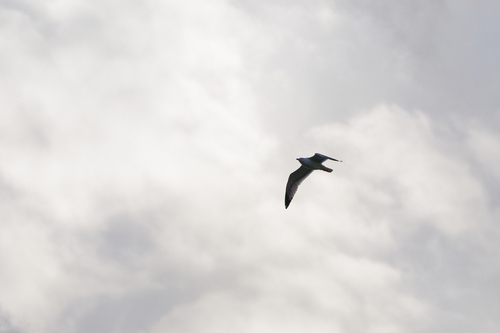
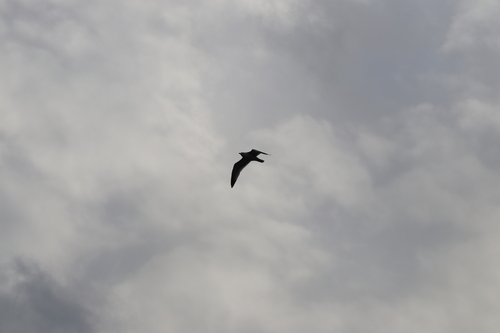

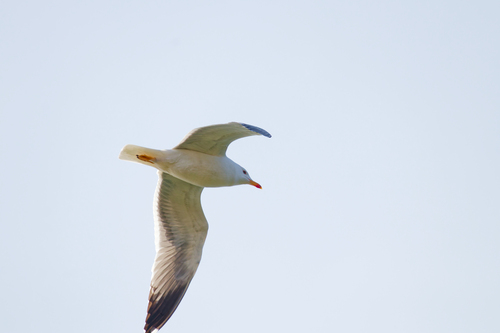
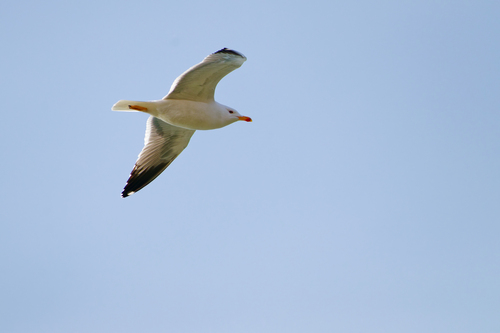
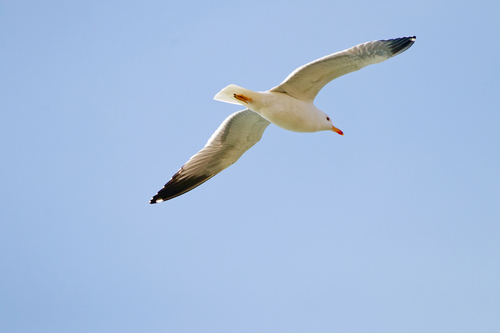
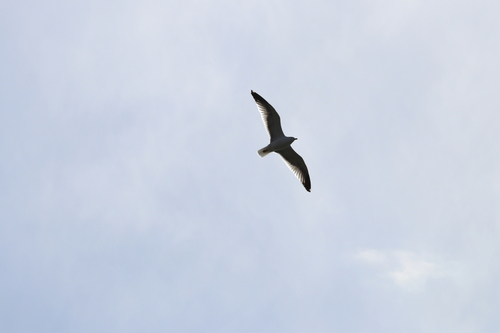
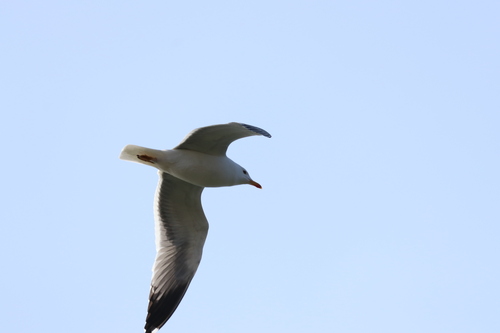
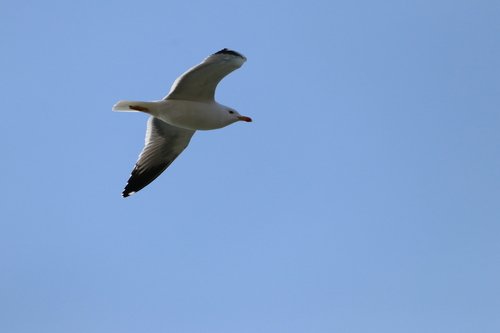
ID tip
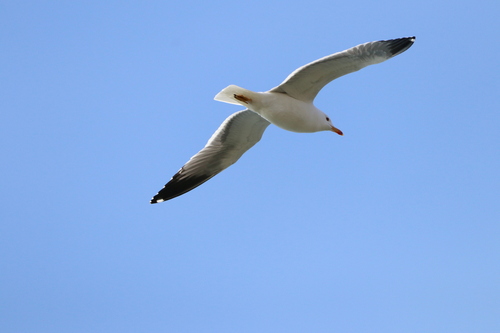
The Armenian gull is a fairly large gull species, though it is on average the smallest of the "herring gull" complex. It can range from 52 to 62 cm (20 to 24 in), from 120 to 145 cm (47 to 57 in) across the wings, and weighs from 600 to 960 g (1.32 to 2.12 lb). Among standard measurements, its wing chord is 38.5 to 45.8 cm (15.2 to 18.0 in), its bill is 4.1 to 5.6 cm (1.6 to 2.2 in) and its tarsus is 5.7 to 6.4 cm (2.2 to 2.5 in). They are superficially similar to yellow-legged gulls but are slightly smaller with a slightly darker grey back and dark eyes.
Text from Wikipedia, licensed CC BY-SA 4.0.
When to see the Armenian Gull
One bar for each month, and every month is filled: this bird is recorded here in all twelve. The wide bar is January, the month with the most records.
Where to see the Armenian Gull
The map shades 16 countries with regular records, and 1 more in a lighter tone where the bird turns up only as a stray. Everything unshaded has no records. Countries are listed below the map.
Recorded as a rare visitor in Bahrain.
About the Armenian Gull
The Armenian gull is a large gull found in the Caucasus and the Middle East. It was formerly classified as a subspecies of the European herring gull, but is now generally considered to be a separate species, although BirdLife International lumps it with the yellow-legged gull.
Text adapted from Wikipedia, licensed CC BY-SA 4.0.
Easily confused with
 Belcher's GullLarus belcheriBelcher's gull is 48–54 centimetres (19–21 in), with a wingspan of about 120 cm (47 in).
 Slaty-backed GullLarus schistisagusIt is tied with the yellow-footed gull for fourth-largest gull species, measuring 55–68.5 cm (21.7–27.0 in) in length, 132–160 cm (52–63 in) in wingspan, and 1.05–1.7 kg (2.3–3.7 lb) in weight.
 Yellow-footed GullLarus livensAdults are similar in appearance to the western gull with a white head, dark, slate-colored back and wings, and a thick yellow bill.
Side by side: Armenian Gull vs Pacific Gull · Armenian Gull vs Black-tailed Gull · Armenian Gull vs Belcher's Gull · Armenian Gull vs Slaty-backed Gull · Armenian Gull vs Yellow-footed Gull
Learn the Armenian Gull in the BeakBrain App
Photo and call practice. Coming soon to iPhone and Android.
Play today's Daily BirdEvery photo and recording on this page is credited to its author under the licence shown. Spotted a problem with this page, or have a better photo? Contribute.